Why is my house called the “old Vicarage” or the “rectory”?
Across England, The Old Vicarage is one of the most sought-after and evocative house names. It conjures images of gracious rooms, stone porches, church spires beyond garden walls and centuries of village life. But behind this charming title lies a complex and fascinating piece of ecclesiastical and legal history—one that explains both why these houses exist and why some homes are forbidden from using the name at all.
What Was a Vicarage?
For most of English history, the vicarage (or rectory) was the official residence of the parish priest. It sat at the centre of village and parish life, often close to the church, and served as:
the vicar or rector’s home
a centre for parish administration
a venue for community gatherings
a place for pastoral visits, baptisms, marriages and village meetings
These houses varied dramatically—from modest cottages to substantial Georgian or Victorian homes—and were usually built or maintained using church funds, glebe income or benefactors’ gifts.
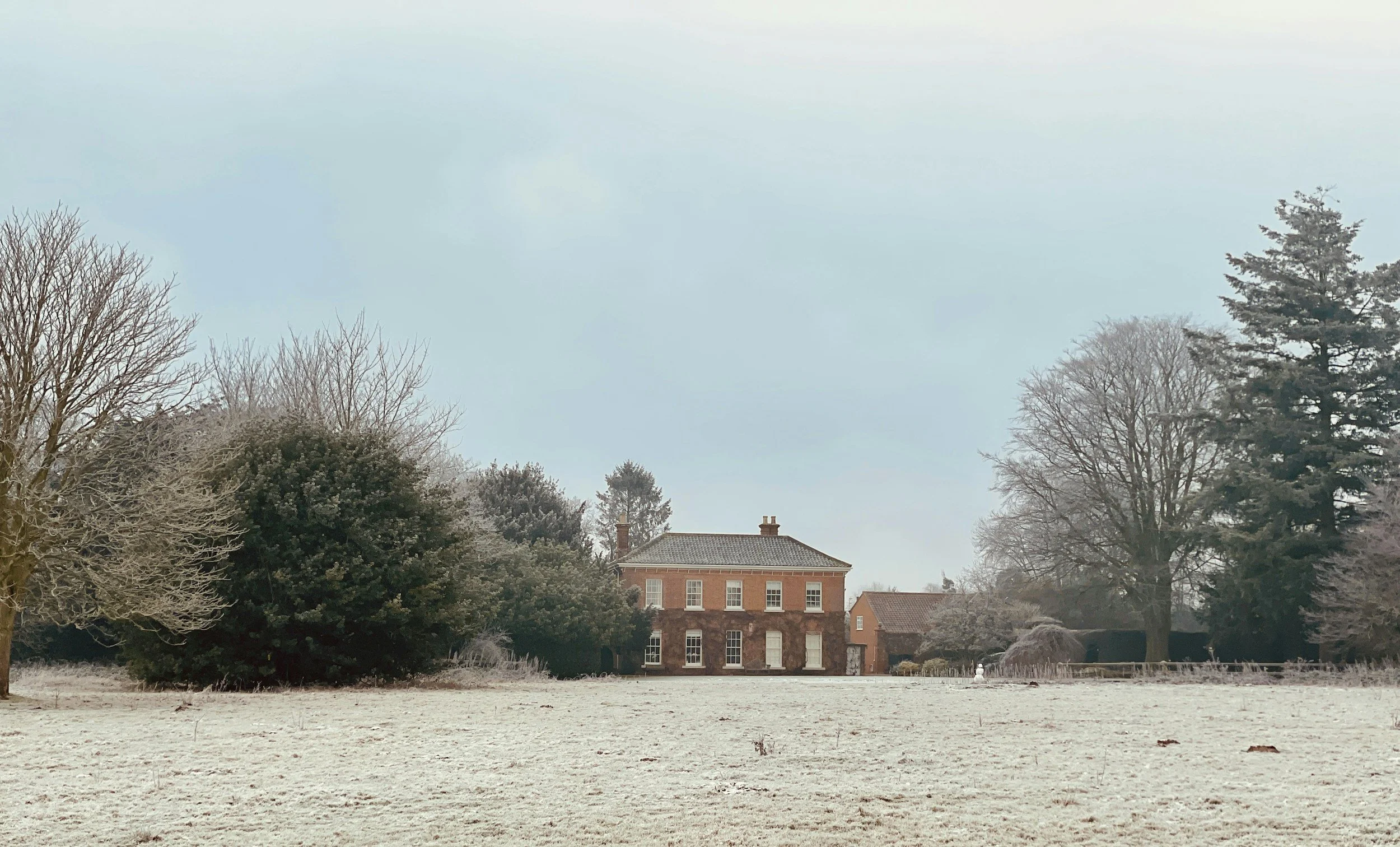
Why Vicarages Became Private Homes
From the late 19th century through the 20th century, major changes in church administration reshaped parish property:
Parish populations shifted
Benefices were merged meaning that a single vicar serves many villages which may have historically had their own vicarages
New houses were constructed for clergy
Old vicarages became too large or costly to maintain
The Church Commissioners began selling surplus houses
As a result, many former vicarages passed into private ownership—often with their original name still attached.
Today, The Old Vicarage is associated with prestige, character and historical interest… but its name carries more meaning than most people realise.
A Hidden Twist: Some Homes Are Not Allowed to Use the Name
Despite common convention, many former vicarages—and even houses built on vicarage land—carry legal restrictions forbidding the use of:
“The Old Vicarage”
“The Former Vicarage”
“Vicarage” or “Rectory”
any name implying ongoing ecclesiastical status
Often this may be a covenant with a similar wording to the following:
“that the Purchasers will not at any time hereafter call or designate the pproperty or any part thereof or any existing or future building thereon or any art thereof or permit the same too be called or designated “The Rectory” , “The Vicarage”, “The Parsonage”, “The Old Rectory”, “the Old Vicarage” or “the Old Parsonage” or by any other name which might suggest that the property is owned or occupied by the incumbent for the time being of the said Benefice”
This surprises many homeowners, but it is rooted in the Church’s desire to:
Avoid confusion about what is (or is not) the official clergy house
Even today, a parish must have a clearly identifiable official vicarage or clergy residence. Allowing multiple properties to use similar names could lead to:
parish post being delivered incorrectly
confusion for diocesan officers
misunderstandings during clergy appointments
issues with tithe, glebe or charity land references
Protect the reputation and identity of the Church
Historically, the Church was careful about properties associated with clergy. Once sold into private hands, it was common to insert covenants ensuring the house would not be presented as a functioning vicarage. The Church no longer maintains any control over the activities conducted at the property and therefore seeks to create that distange between the current ownership and itself.
Maintain clear property records
Ecclesiastical ownership structures—including benefice land, glebe allocations and churchwardens’ property—could be complicated. Preventing misleading names helped future owners, church officials and solicitors avoid confusion.
These restrictions often appear in deeds as:
“The Purchaser shall not call the property ‘The Old Vicarage’ or any similar name suggesting ecclesiastical residence.”
Ironically, this means that some of the most authentic former vicarages cannot legally use the name, while other houses—never connected to the clergy—sometimes adopt it freely.
How to Tell if Your Home Was a Vicarage
Even if a house is no longer called The Old Vicarage, its past may still be identifiable through:
Tithe maps and apportionments
Conveyances involving the Incumbent of the Parish
Glebe terriers
Church or diocesan records
References to benefice land
Parsonage plans or architectural drawings
Notes in parish magazines or vestry minutes
Former vicarages often display architectural clues too: large windows, generous plots, Victorian extensions, carriage access, and a traditional position near the church.
The Legacy of the Vicarage in English Villages
A former vicarage represents more than bricks and mortar—it reflects:
centuries of pastoral care
the rhythm of parish life
changing patterns of worship and community
the evolving financial structure of the Church
the shifting needs of rural populations
They are among the most characterful and historically layered homes in England.
Specialists in Vicarages, Rectories & Church-Linked Properties
At The House Chronicles Co., we specialise in uncovering the complex histories of properties with ecclesiastical origins, including:
former vicarages and rectories
glebe cottages and glebe farmhouses
church schoolhouses
clergy residences attached to merged benefices
properties affected by tithe, glebe or church trusteeship
These homes nearly always require deeper research—drawing on diocesan archives, tithe maps, benefice records and old conveyances.
For properties with this kind of layered ecclesiastical history, our Heritage Chronicles Package is the most suitable option.
It provides a detailed, carefully sourced and beautifully presented narrative of your home’s past, ideal for buildings with a particularly rich or complex story.
