Why Are So Many Homes Called “Glebe Cottage” or “Glebe House”?
A Look Into the Church Lands That Shaped English Villages
Across England, it’s not uncommon to find homes named Glebe Cottage, Glebe House, or The Glebe. At first glance, these names sound quaint; evoking visions of ivy-clad cottages, church bells, and idyllic lanes. But behind them lies a fascinating piece of ecclesiastical history that shaped rural life for centuries.
These homes often sit on land with an unexpected story:
they were once part of the church’s income.
What Exactly Was a “Glebe”?
A glebe was a parcel of land belonging to a parish church, set aside to provide an income for the vicar or rector. For much of English history—long before stipends or centralised church wages—parish clergy were supported through:
tithes (religious taxes on local produce)
glebe land (plots farmed or rented for income)
parsonage or vicarage houses
Glebe land might include:
fields or paddocks
orchards
meadows
cottages
agricultural buildings
The vicar could farm the glebe themselves, let it to local tenants, or—more commonly—have it worked in exchange for rent or produce. The income it generated was intended to sustain the incumbent and maintain parish life.
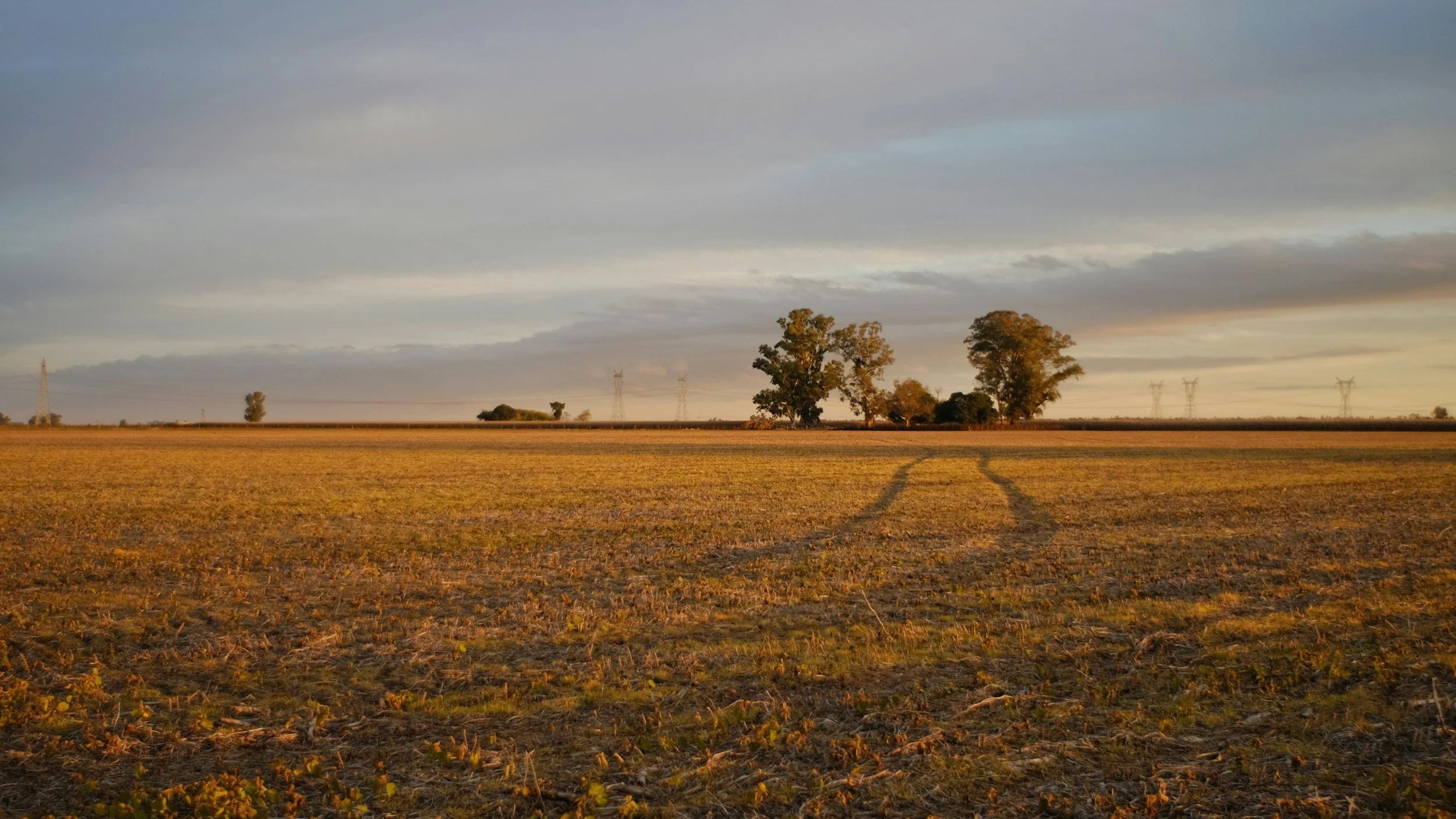
Why Do We Still Have “Glebe Houses” and “Glebe Cottages”?
Many glebes contained small cottages or farm buildings used by workers, tenants or occasionally assistant clergy. When the Church Commissioners began reorganising church finances in the 19th and 20th centuries, large amounts of glebe land were:
sold into private ownership
broken up and developed
repurposed for housing and farm use
But the names often stayed.
So a modern Glebe Cottage or Glebe House may sit on former parish land even if it has been privately owned for decades—or centuries.
Common clues that a property was part of a glebe:
The name includes Glebe, Rectory, Vicarage, or Parsonage
The land was once owned by a vicar, rector, or church trustees
Old tithe maps show the parcel labelled as “Glebe”
Deeds refer to benefice land or the Incumbent of the Parish
There was once a farm or cottage tied to church income nearby
In many cases, the name is the only surviving hint of this unusual origin.
A Legacy Written Into the Landscape
Glebe land played a major role in shaping the physical layout of many English villages. Farms, cottages, and early footpaths often grew around parcels of church land. Even today, you can sometimes trace the outline of the old glebe by looking at:
field boundaries
tithe apportionments
surviving estate maps
older house names
A modern cul-de-sac or garden may sit atop land once ploughed to support the parish vicar.
Why These Histories Matter
Understanding whether your home stands on former glebe land can unlock surprising insights:
Why your property appears in ecclesiastical records
Why the deeds mention a vicar or churchwarden
Why restrictive covenants refer to the church
Why tithe apportionments show unusual boundaries
Homes with names like Glebe Cottage often carry richer, more layered histories than expected.
Specialists in Glebe Properties, Vicarages & Ecclesiastical Homes
At The House Chronicles Co., we specialise in researching homes with church, parish, or community origins—including:
glebe cottages and glebe farmhouses
former vicarages and rectories
schoolhouses connected to Church trustees
properties appearing in tithe or parish land records
These buildings usually require a deeper level of archival research, involving tithe maps, church faculty records, conveyances to earlier incumbents, and local ecclesiastical archives.
For homes with this type of rich and complex heritage, our Heritage Chronicles Package is the perfect fit—designed specifically for properties with layered, institutional or ecclesiastical pasts.
