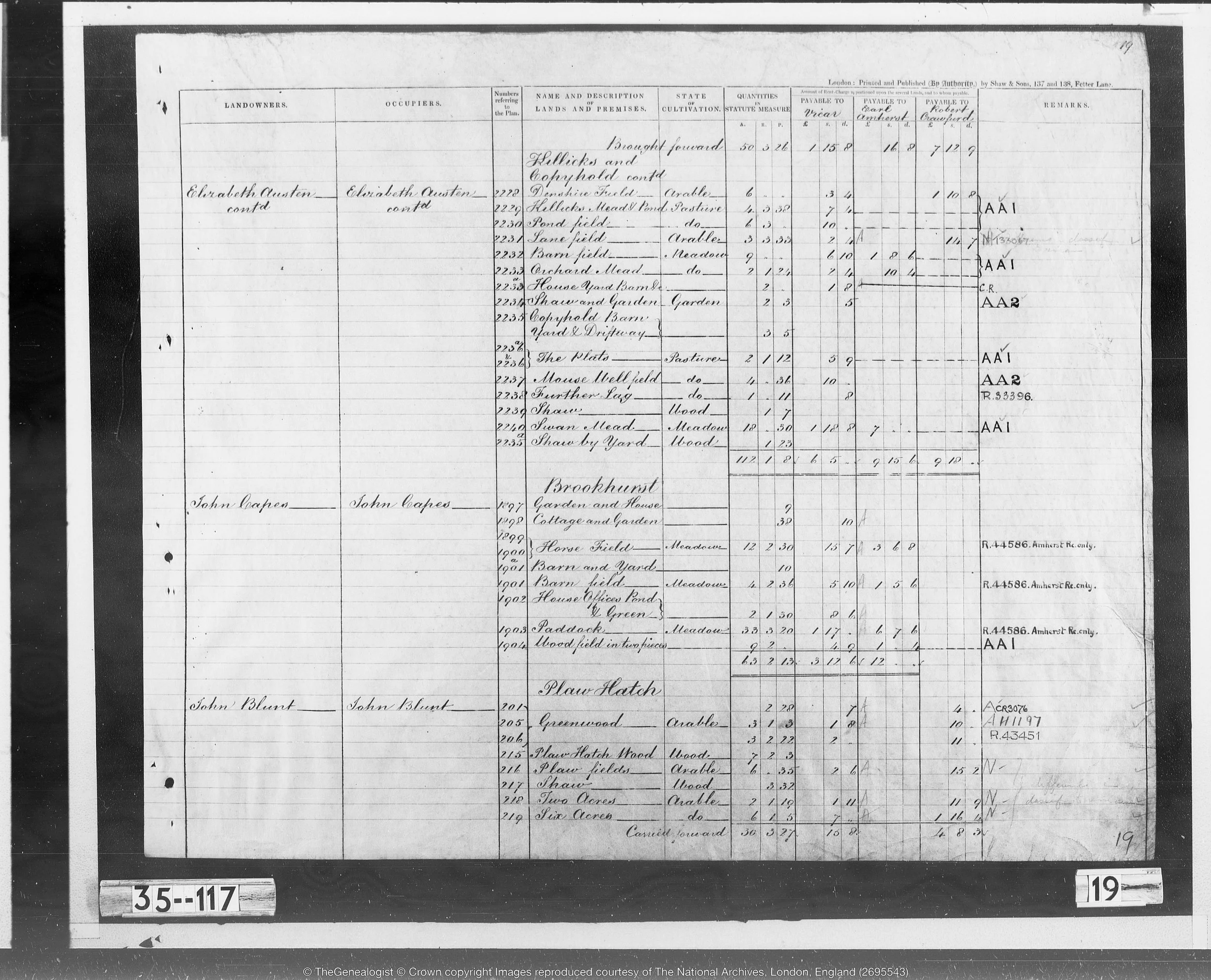
Tithe Maps. Tracing the First Chapter of Your Home’s Story
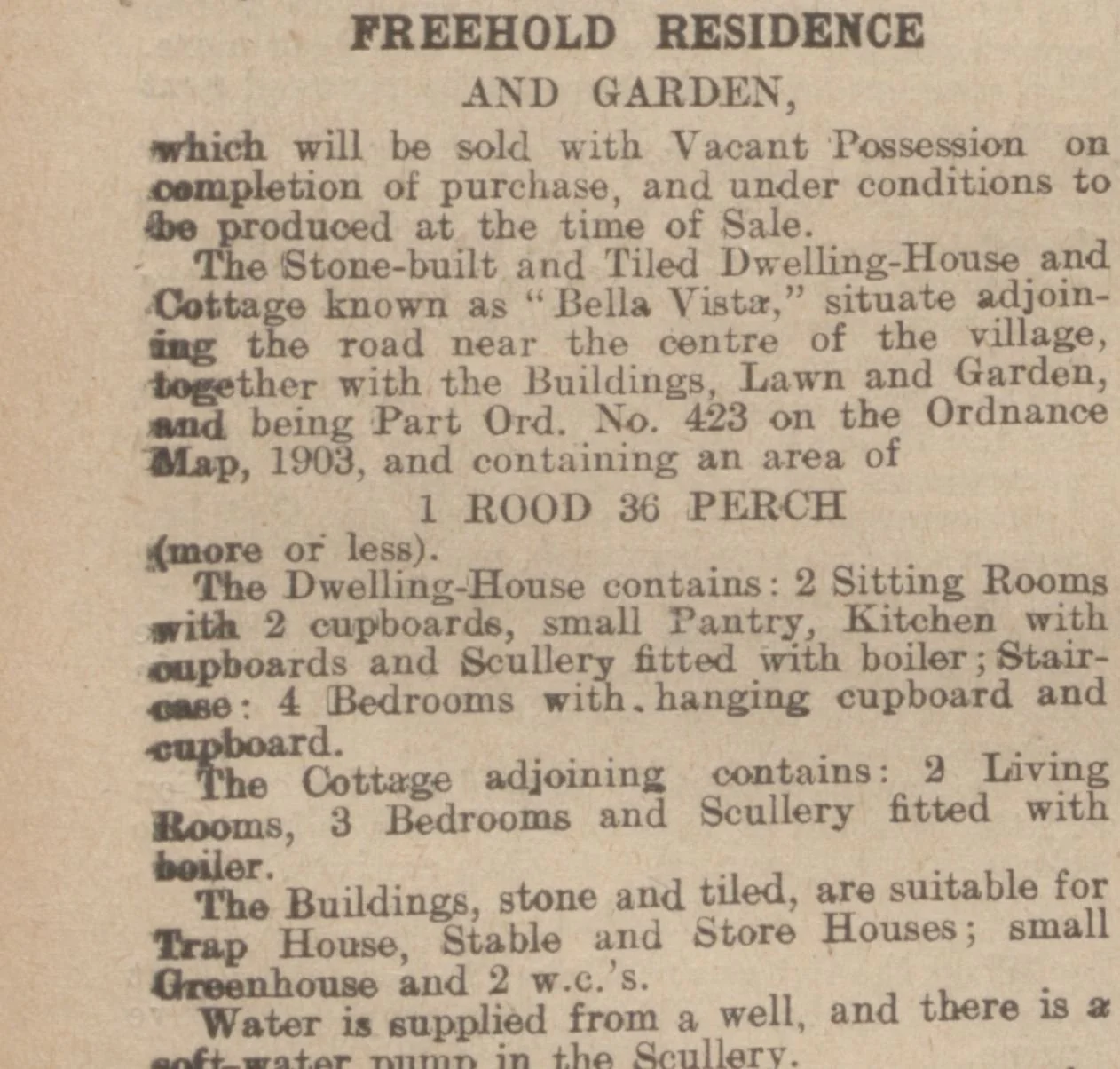
Roods, Perches and Acres: Old Measurements That Still Matter in House History Research
Discover the meaning of acres, roods and perches and why these old land measurements are essential for researching the history of your home. Learn how these units appear in tithe maps, deeds and historic documents and how they unlock clues about your property’s past.
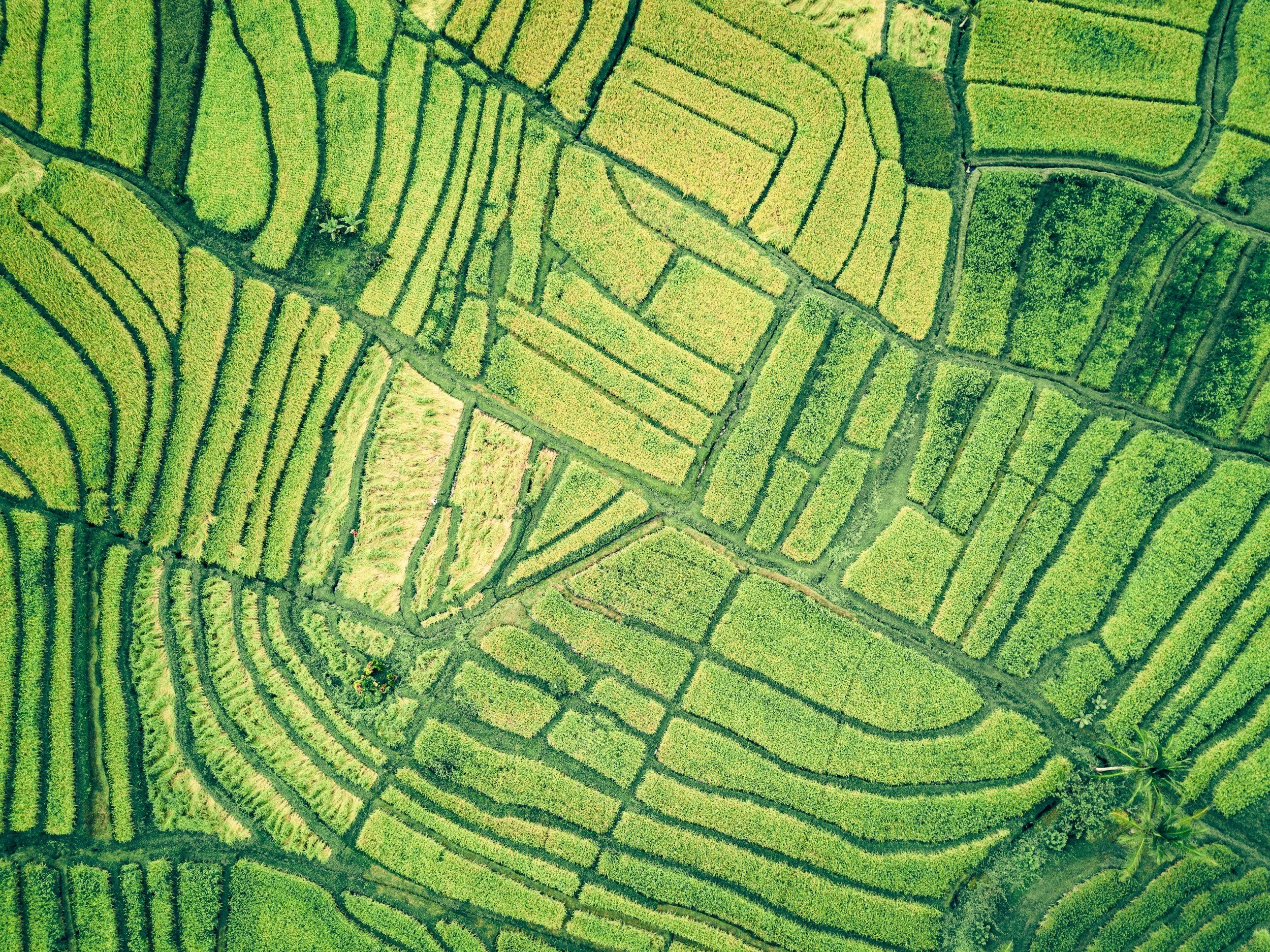
Inclosure Awards
Discover how the Inclosure Acts and historic inclosure awards reveal the origins of your property, early landowners and the evolution of modern boundaries.
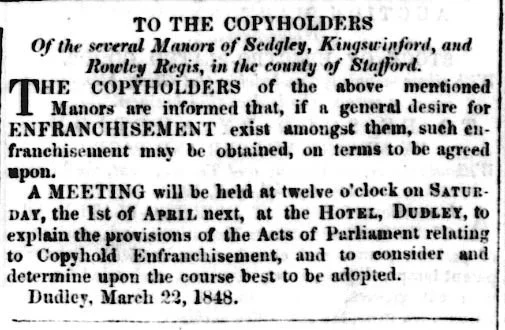
Copyhold, Leasehold and Freehold: Understanding Your Home’s History
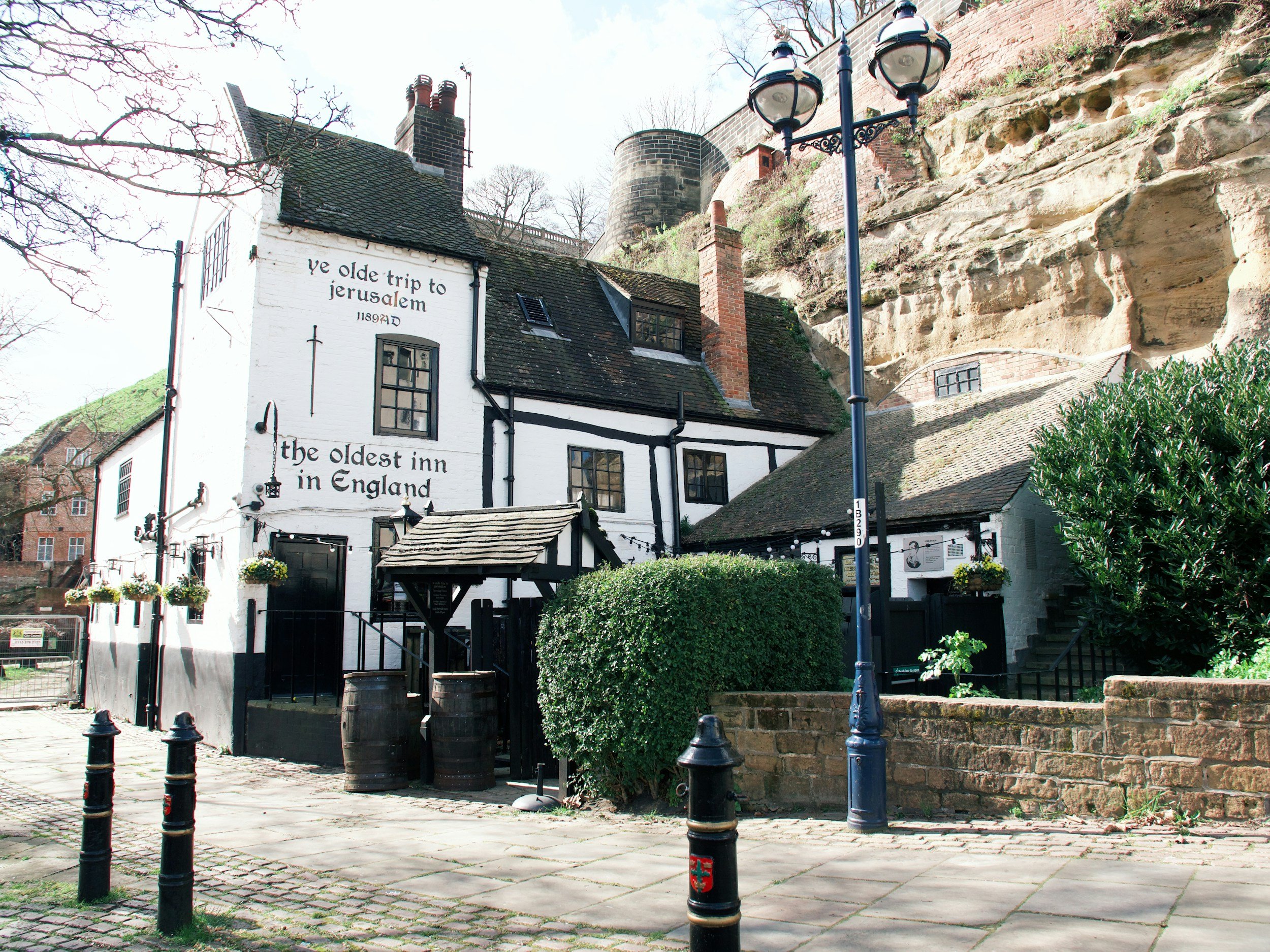
Covenant secrets: What Property Covenants Can Reveal About Your Home’s History
When researching a home’s past, most people naturally think of census records, maps, and old photographs. But one of the most revealing—and often overlooked—sources of historical insight lies hidden in plain sight: the covenants contained within a property’s title deeds.
These legal clauses, sometimes centuries old, were designed to control land use, protect neighbouring interests, or preserve the intentions of the original landowner. Today, they serve as fascinating windows into how an area once functioned and what shaped the lives of former residents.
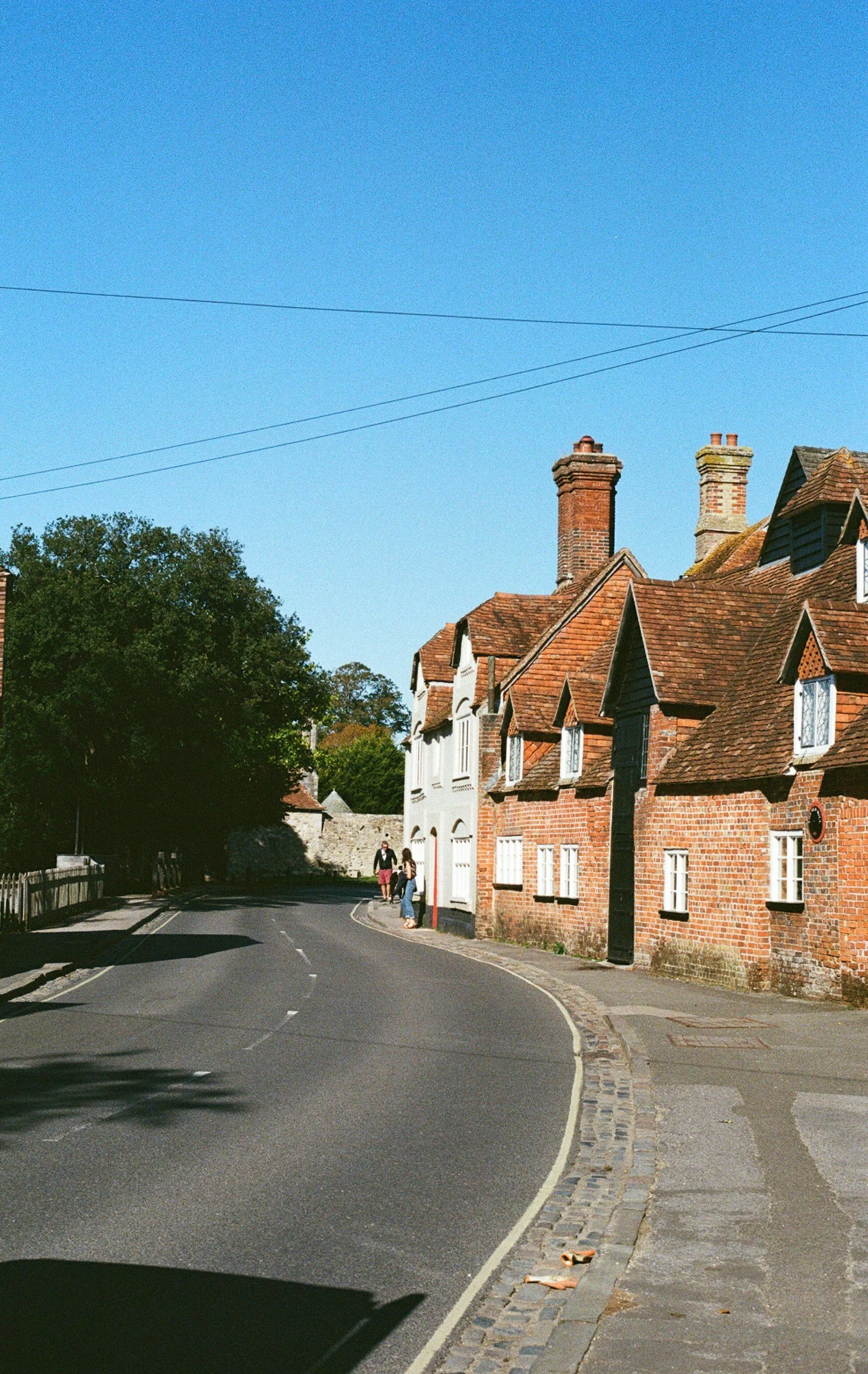
Is My House in Middlesex? The Curious Case of England’s “Lost” County; And Why It Matters for House History Research
Discover why many homes still list “Middlesex” on deeds and records. Learn how historic county changes affect house history research—and how experts can help.
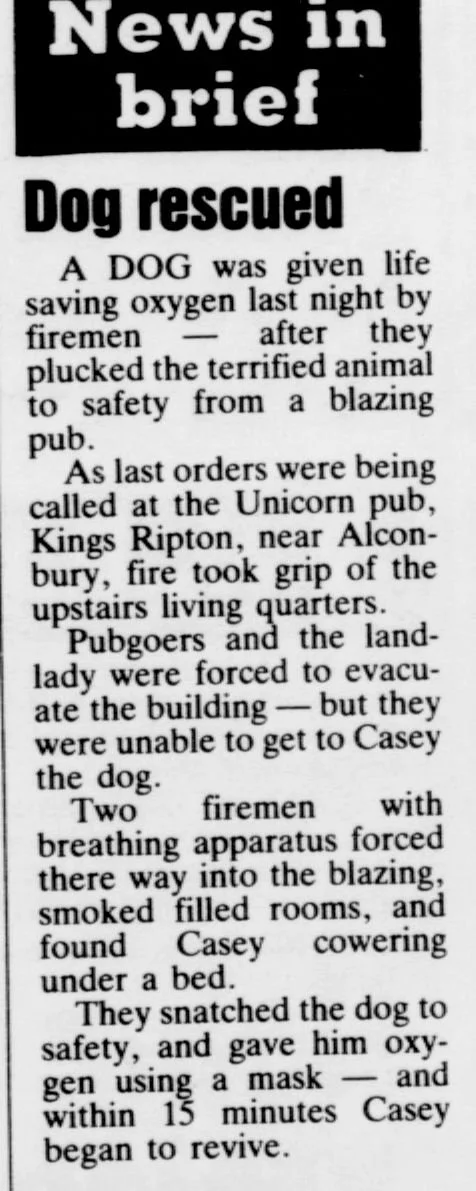
From Pints to Private Home: A Canine Catastrophe
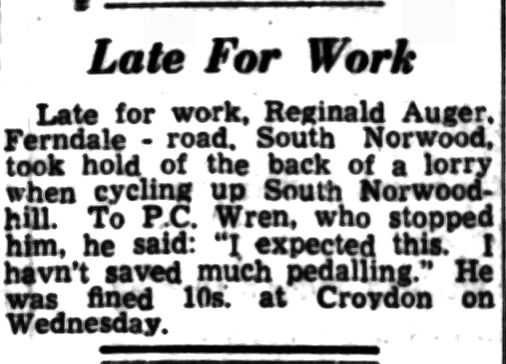
Holding On for Dear Life: A South Norwood Hill Tale
A remarkable 1947 newspaper story reveals how a South Norwood resident clung to the back of a lorry to tackle the steep South Norwood Hill — and ended up fined at Croydon Court. Discover this quirky local tale and the history behind one of the area’s steepest roads.
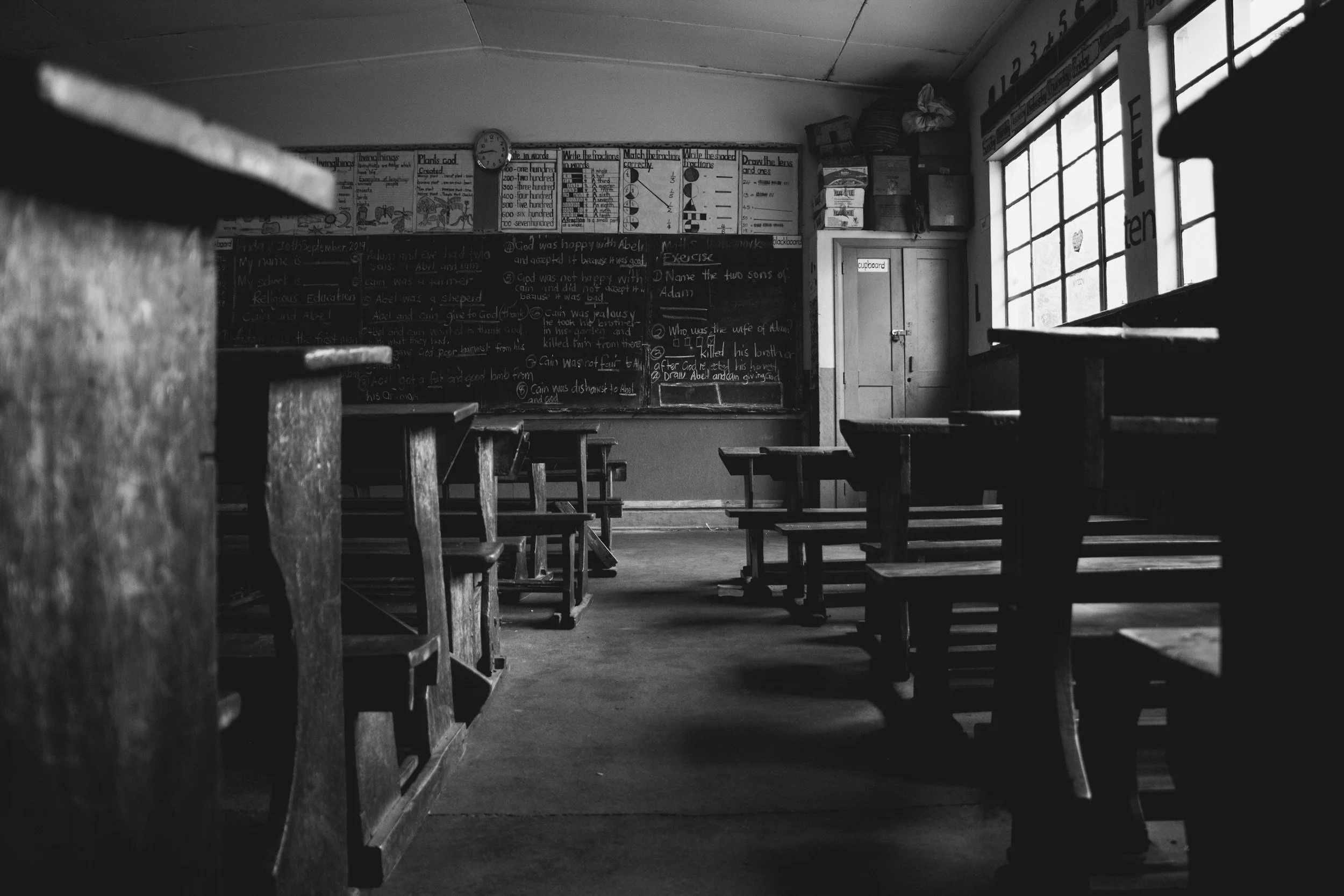
The Unusual Schooling History of West Hoathly: A Tale of Two Schools and Two homes.
West Hoathly, perched above the Weald near East Grinstead, is a village shaped by centuries of community life, church influence and rural tradition. Among its most fascinating stories is the unusual development of two historic school sites, each rooted in the village’s Victorian past and the legacy of the Church of England.
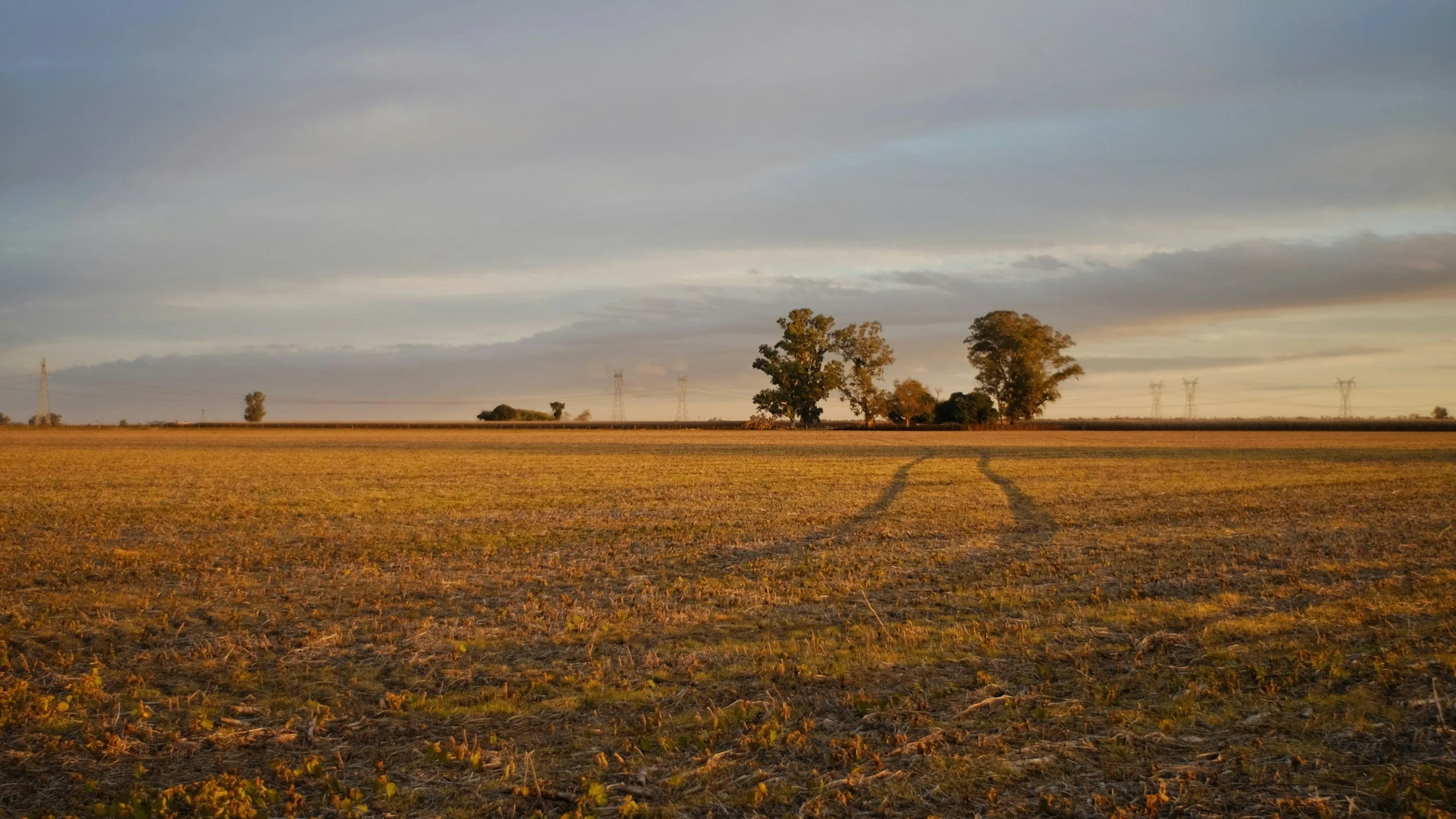
Why Are So Many Homes Called “Glebe Cottage” or “Glebe House”?
Across England, it’s not uncommon to find homes named Glebe Cottage, Glebe House, or The Glebe. At first glance, these names sound quaint—evoking visions of ivy-clad cottages, church bells, and idyllic lanes. But behind them lies a fascinating piece of ecclesiastical history that shaped rural life for centuries.
These homes often sit on land with an unexpected story:
they were once part of the church’s income.
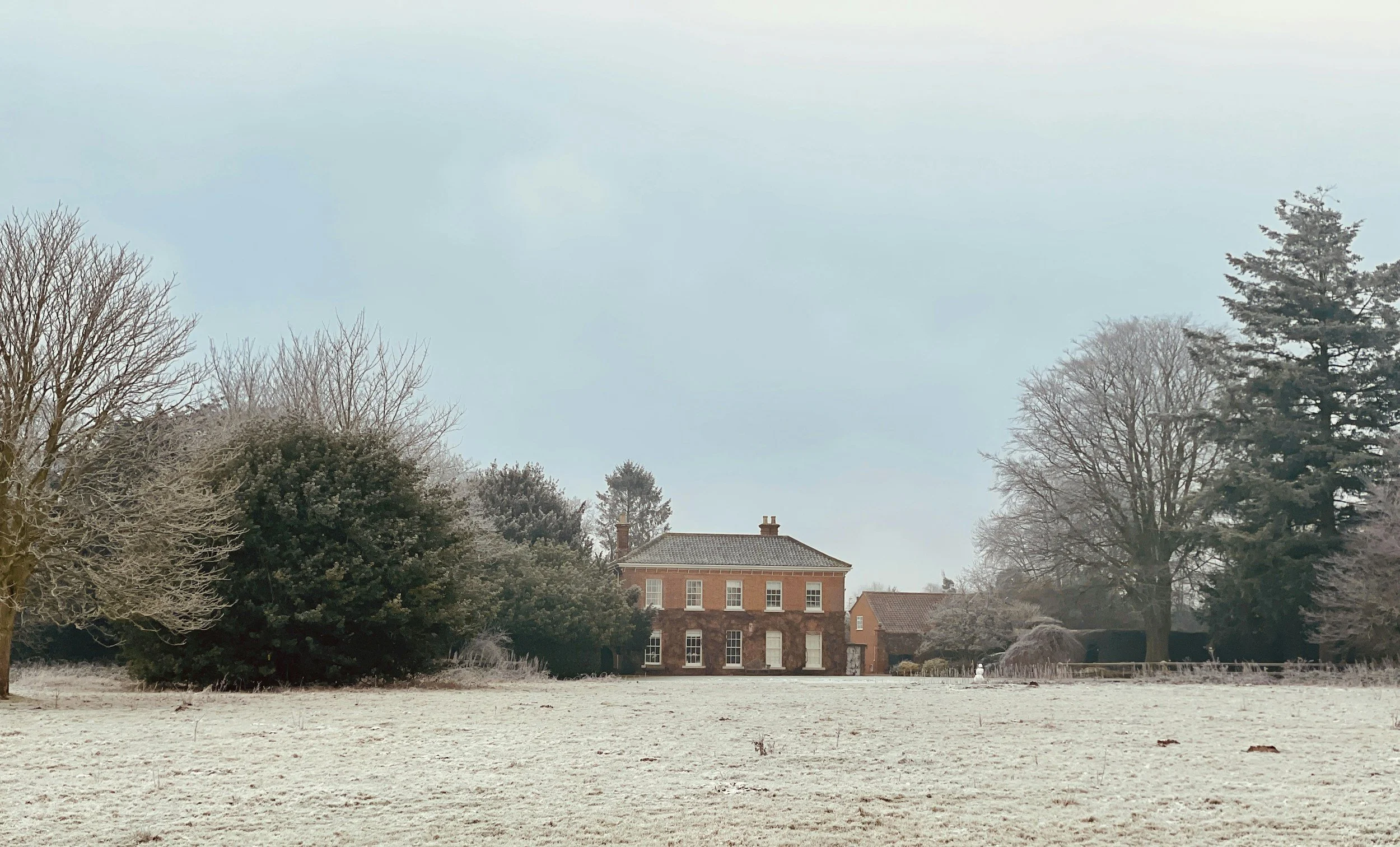
Why is my house called the “old Vicarage” or the “rectory”?
Discover the history behind homes named The Old Vicarage and why some properties are legally restricted from using the title.