The Unusual Schooling History of West Hoathly: A Tale of Two Schools and Two homes.
West Hoathly, perched above the Weald near East Grinstead, is a village shaped by centuries of community life, church influence and rural tradition. Among its most fascinating stories is the unusual development of two historic school sites, each rooted in the village’s Victorian past and the legacy of the Church of England. Today one of the school sites has become two private dwellings steeped in history.
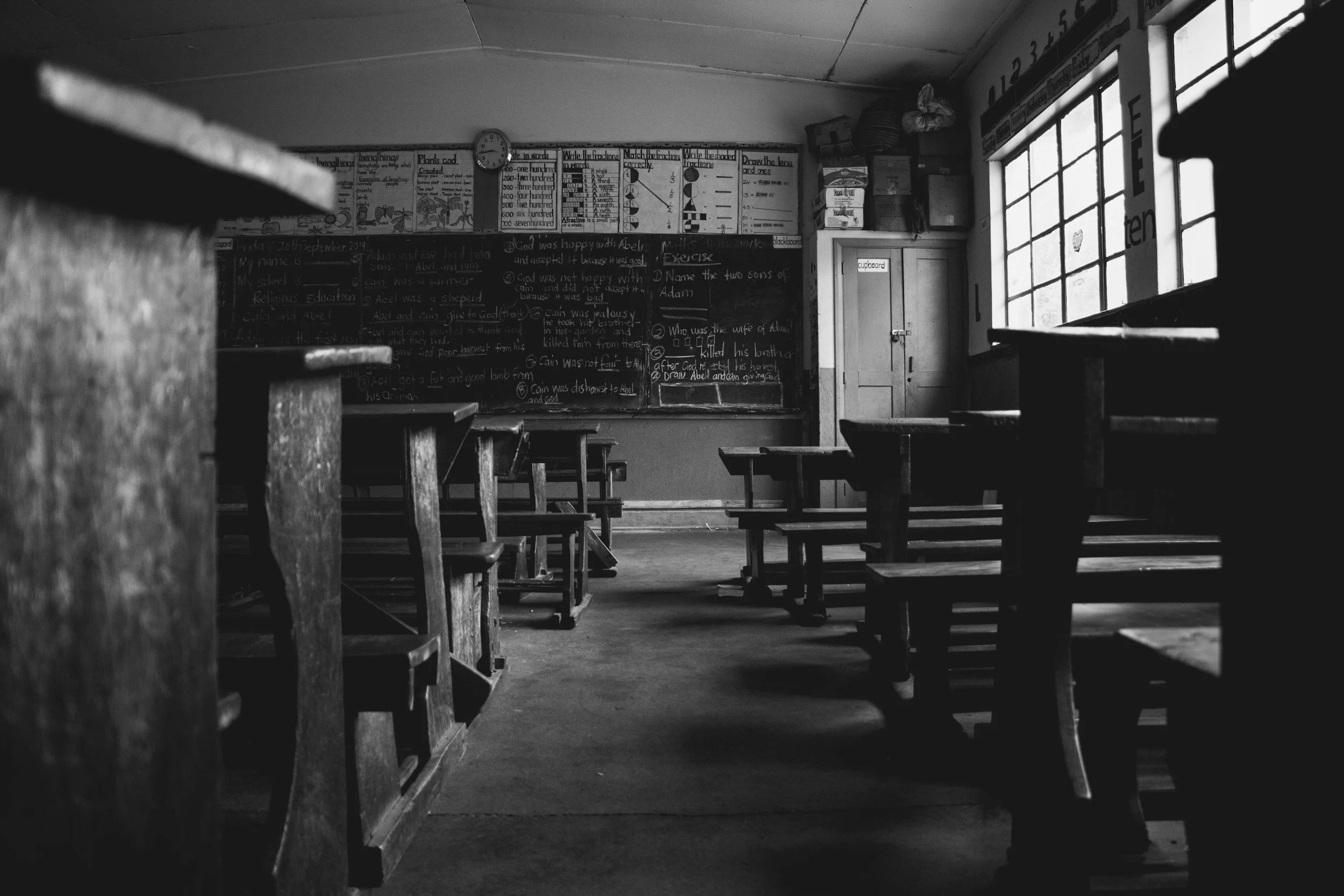
A Village With Two Schools — A Rare Rural Story
Most Sussex villages grew around a single schoolroom, but West Hoathly’s educational history is more layered. Across the 19th century, as national attitudes towards schooling shifted, the village saw two separate school sites established, each connected to the church and each reflecting a different moment in the evolution of rural education.
The Original School: Founded on Church-Gifted Land
The earliest school site, located just north of the Cat Inn, was created from land conveyed to the Vicar and Churchwardens in 1842 and 1844. These conveyances formed the foundation of what became the village’s first formal school.
As was common at the time, the school was established as a National School — part of the nationwide system of schools run in accordance with the Established Church, supported locally by the parish. National Schools aimed to provide basic elementary education infused with Christian teaching, and they became the backbone of rural schooling before the state took over in the late 19th century.
School + Home: A Victorian Educational Model
True to Victorian practice, the original West Hoathly school was built with attached accommodation for the schoolmaster. This dual arrangement was both practical and symbolic:
the teacher lived at the heart of the school, reinforcing their central place in village life.
Today, these buildings survive as two private homes: The Old School and The Old Schoolmaster’s House a rare architectural survival of the National School era. Both homes are steeped in history emanting from the lives changed within their walls.
The New School (1873): Built for a Growing Village
As the population grew and educational expectations widened, the original school proved too small. In 1873, a further parcel of land was conveyed—again to the Vicar and Churchwardens—to create what would become the new village school. This site remains the location of West Hoathly CE Primary School today.
Over the decades, the school has been significantly expanded, with new classrooms, halls and outdoor areas added to meet the requirements of modern teaching and rising pupil numbers. What began as a modest 19th-century schoolroom has steadily evolved into the much larger site that serves the community today.
And in a notable continuity, the school remains a Church of England school, echoing the intentions of the original donors and National School trustees nearly two centuries ago.
A Living Educational Timeline
Few villages hold such clear physical evidence of their schooling story. In West Hoathly, you can walk from the original 1840s school site—built when literacy rates were still rising—to the 1873 school whose footprint expanded through the 20th century and is still teaching children today.
Together, the two sites tell a story of:
the enduring role of the parish church,
the changing needs of rural families,
and the architectural legacy left behind by generations of teachers and pupils.
Why These Stories Matter
At The House Chronicles Co., we believe every property has a past worth rediscovering—whether it was once a classroom echoed with recitations, a teacher’s house warmed by the school stove, or a family home shaped by decades of village history.
West Hoathly’s dual-school legacy is a reminder that even in the quietest corners of Sussex, remarkable stories can be uncovered in deeds, conveyances and the buildings that still stand today.
Our Expertise in School Houses, Vicarages & Historic Community Buildings
Homes that once served as schoolhouses, vicarages, rectories, mission rooms or other ecclesiastical or community buildings often have some of the richest—and most complex—histories. Their pasts can involve:
multiple conveyances and trustees
ecclesiastical records
changing uses over decades
architectural adaptation
layers of parish, diocesan and local authority involvement
These are precisely the types of properties we specialise in researching.
If your home has a unique historical character or a community or church-related past, our Heritage Chronicles Package is the ideal fit.
It is designed specifically for buildings like old schoolrooms, vicarages, glebe cottages and former public institutions—properties with stories that deserve a deeper, more comprehensive level of research.
Sources: https://discovery.nationalarchives.gov.uk/results/r?_ser=C+54&id=C3614&_q=west+hoathly+education
