Is My House in Middlesex? The Curious Case of England’s “Lost” County; And Why It Matters for House History Research
If you’ve ever looked up your home’s history and felt confused about which county it technically sits in, you’re not alone. One of the biggest sources of confusion is Middlesex — a county that officially no longer exists, yet still shows up on deeds, census records, postal addresses and property descriptions.
So… is your house in Middlesex? Or Greater London? Or both?
And does it matter?
Let’s unravel the mystery — and explore how historic county changes across England affect house history research today.
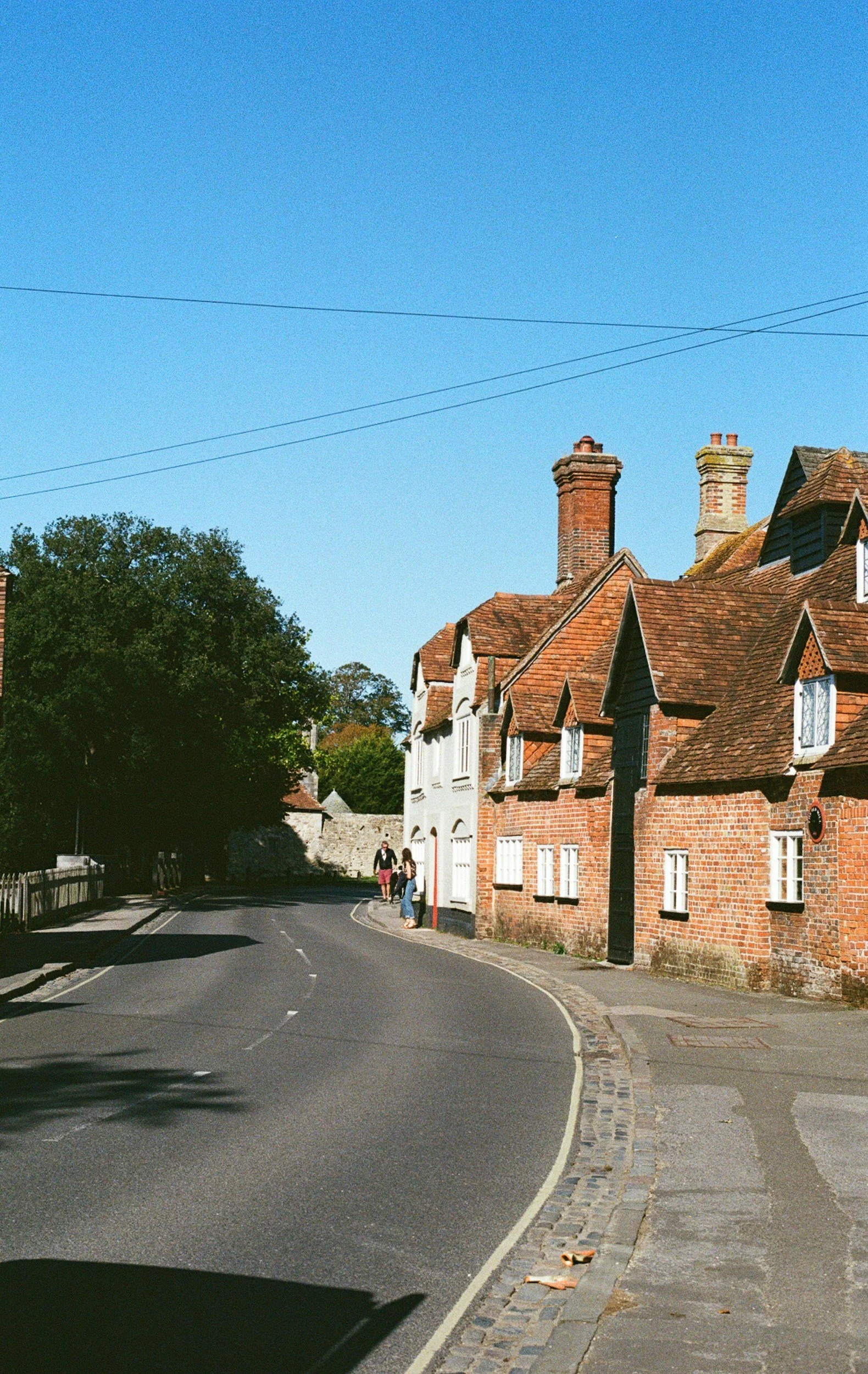
Middlesex: The County That Vanished (But Didn’t Really)
Middlesex was one of England’s oldest counties, dating back over a thousand years. But in 1965, the London Government Act reorganised local authority boundaries. Much of Middlesex was absorbed into Greater London, while some outlying areas were transferred to Hertfordshire or Surrey.
But here’s the twist:
Middlesex still survives in:
historic county boundaries
old property deeds
parish records
census returns
postal addresses (Royal Mail still recognises it informally)
legal documents and title papers
the world of Cricket (with Middlesex County Cricket Club still going strong).
So if your house was built before the 1960s, there’s a strong chance that “Middlesex” appears somewhere in its paperwork — even if today it's administratively part of Greater London or another county such as Surrey.
This Isn’t Just a Middlesex Thing — County Reorganisation Happened Nationwide
Although Middlesex is the most famous “lost county,” it’s far from the only one affected by boundary changes. Many areas of England have had their county identity reshaped, moved or renamed. These reorganisations can cause real confusion when researching house histories.
Examples include:
Yorkshire’s Ridings (abolished in 1974 and replaced with new counties such as North Yorkshire, West Yorkshire, etc.)
Huntingdonshire, absorbed into Cambridgeshire
Rutland, abolished in 1974 and then restored in 1997
Westmorland and Cumberland, merged into Cumbria
Avon, created in 1974 and abolished in 1996
Banffshire, Berwickshire and other historic counties in Scotland, still culturally recognised
Monmouthshire, historically ambiguous between England and Wales
And of course…
Greater London, which reshaped the entire map around the capital.
Why This Matters for House History Research
When tracing the story of a home, we rely on historical documents such as:
census records
tithe maps
parish registers
manorial documents
historic planning records
electoral rolls
school admissions
land tax assessments
old Ordnance Survey maps
But these sources follow historic boundaries, not modern ones.
To find the right records, you need to know:
which county your home used to be in
which parish it belonged to
which registration district its births, marriages and deaths were recorded under
which local archives still hold those records
A house that is now administratively in Croydon (Greater London) may appear in historic records under Surrey.
A house in Harrow may be listed in records as Middlesex.
A home in Bristol may show up in Gloucestershire or Somerset depending on the decade.
This is why many people struggle when searching for their own house history — the “county” they try to search is often not the county used in older documents.
How House Chronicles Co Navigates These Changes with Ease
At House Chronicles Co, we specialise in untangling these confusing geographic shifts.
We understand:
which archives retain pre-1965 Middlesex records
how parish boundaries changed over the centuries
which areas switched counties during the 1974 reorganisation
what name the district used in each census
how to trace a property through multiple boundary changes
This is where professional research truly makes a difference. We don’t just look at modern maps — we look at historical counties, ecclesiastical parishes, dioceses, manorial boundaries and registration districts to build a complete, accurate picture of your home’s past.
Whether your house claims to be in Middlesex, Surrey, Cambridgeshire, Avon or a long-forgotten division of Yorkshire, we track the records to their true historic home.
Similarly, many homes known as The Old Vicarage have histories tied to ecclesiastical boundaries and parish reorganisations. Visit here to learn about the impact of reorganisation on these homes.
Want to Know Your Home’s True Historical County?
Boundary changes are one of the most common stumbling blocks in DIY research — but for us, they’re second nature.
Explore your home’s story through one our Home Chronicles Packages, where we trace your property through every county change, archive relocation and administrative shift to uncover its genuine history.
Let us bring clarity — and bring your home’s past back to life.
