Covenant secrets: What Property Covenants Can Reveal About Your Home’s History
When researching a home’s past, most people naturally think of census records, maps, and old photographs. But one of the most revealing—and often overlooked—sources of historical insight lies hidden in plain sight: the covenants contained within a property’s title deeds.
These legal clauses, sometimes centuries old, were designed to control land use, protect neighbouring interests, or preserve the intentions of the original landowner. Today, they serve as fascinating windows into how an area once functioned and what shaped the lives of former residents.
When buying a home you will likely have flagged to you any coveantns that are relevant to occupation today but even those that are no longer legally relevant can provide vital clues to a house’s history.
At The House Chronicles Co., covenants often provide some of our most intriguing discoveries. Below are some of the most common types we encounter—and what they can tell you about your home’s past.
1. “Not to use the property as an inn, tavern, public house, club, or for the sale of wines, spirits or beer.”
This is one of the most frequent covenants we come across, especially in Victorian and Edwardian suburban developments.
What it means historically
Such restrictions were typically imposed by landowners or developers to prevent competition with existing businesses—usually pubs, taverns, or beerhouses already operating in the vicinity.
This form of protectionism was extremely common. In some cases, it indicates:
The landowner was themselves a brewer or publican
The area already had established alehouses serving the community
The developer intended the neighbourhood to remain “respectable” or residential
There were moral or temperance concerns at the time of building
Often, these covenants allow us to identify lost pubs, historic breweries, or previous high streets that no longer exist.
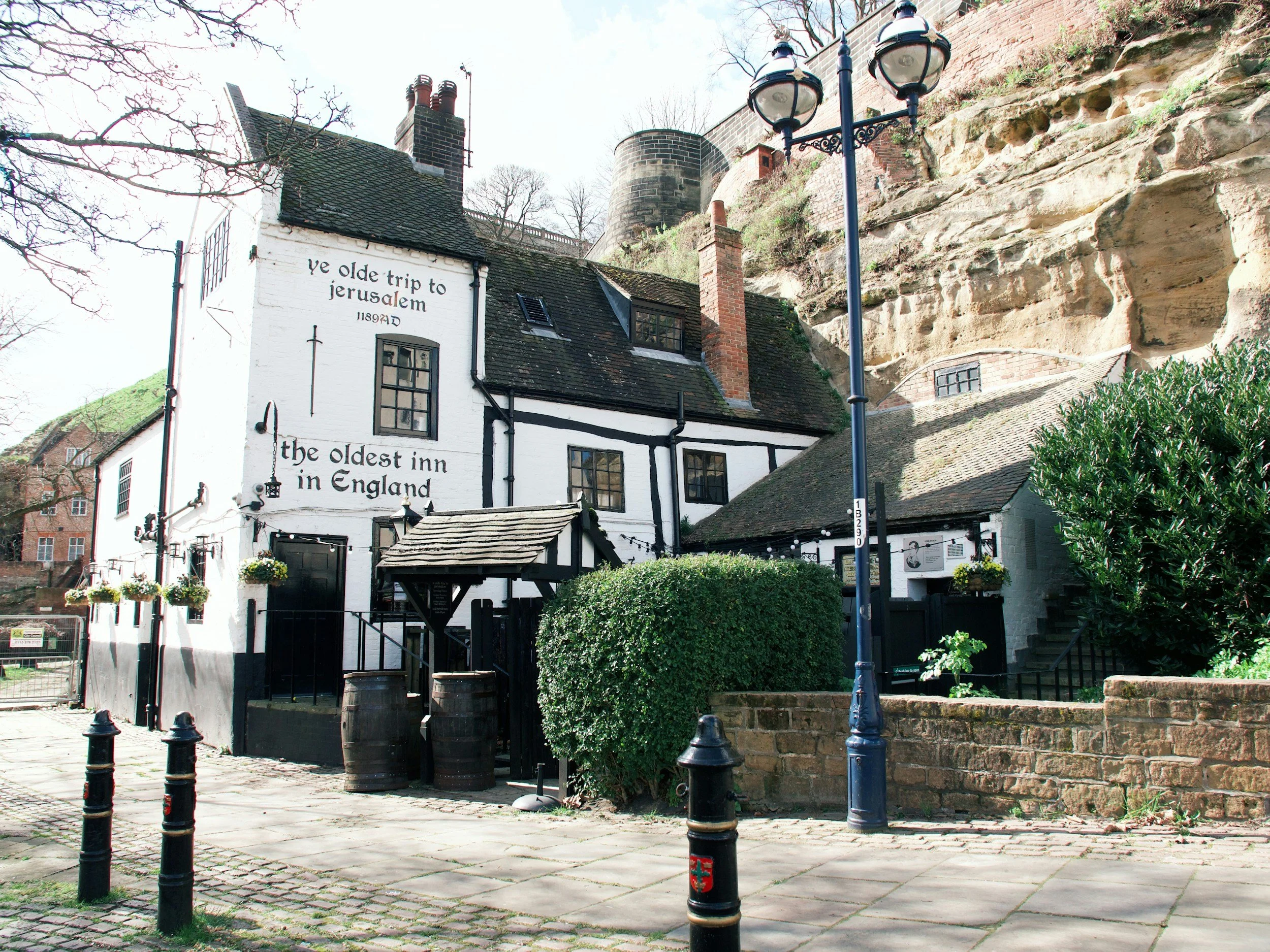
2. Covenants Restricting Animals, Farming, or Crops
You may see a title stating that the land should not be used to:
Keep pigs or poultry
Graze cattle
Grow certain crops
Operate a “market garden”
What it means historically
These restrictions usually suggest that another landowner already held rights or privileges to agricultural activities in the area. In rural villages, such clauses helped protect:
Local farmers’ grazing routes
Commercial orchards or hop fields
Allotments, meadows, or pasture rights
Estate-managed livestock businesses
In some cases, the land may have been divided from a larger farm or manor estate, with the seller wanting to ensure their own operations weren't undermined by the new residential plots.
These covenants tell us a great deal about the agrarian character of a neighbourhood, particularly before suburban expansion.
3. Clauses Referring to the “British Railways Board”
This is one of the most informative modern historical clues.
What it means historically
Mentions of the British Railways Board often indicate that:
Your property stands on land formerly owned by the railways,
The land was once railway sidings, service yards, embankments, or workers’ cottages,
Or the area was affected by historic railway development, compulsory purchase, or reorganisation.
These covenants help identify:
Former branch lines that have since been closed or dismantled
Wartime railway expansion
Industrial rail activity such as coal drops, depots, or goods yards
Railway-provided housing for engine drivers, signalmen, and stationmasters
For homes near disused tracks, they often confirm the precise historic footprint of the railway system.
4. Why Covenants Are So Valuable for House History
Beyond their legal function, covenants provide a rare level of specificity. They can reveal:
What the landowner wanted the area to be
What kinds of businesses or activities already existed nearby
The economic priorities of the village or town
How streets developed over time
What the social character of the neighbourhood once was
Even a single line in an 1890s deed can unlock an entire chapter of your home’s story. Covenants dont just tell us about the circumstances but they were made between parties, often individuals, allowing us to track down their individual histories and how they relate to your home.
5. How We Use Covenants in Our Research
At The House Chronicles Co., we cross-reference covenants with:
Old maps
Trade directories
Brewery and railway records
Estate papers
Parish boundaries
Census entries
Local newspaper archives
This allows us to build a full narrative around why a covenant existed and what it tells us about your specific home—not just the general area.
6. Want to Discover What Your Covenants Reveal?
Our Heritage Chronicles Package is perfect for homes with layered, unusual, or legally significant histories—including:
Former pubs
Schoolhouses and vicarages
Railway cottages
Manor estate land
Agricultural plots
Converted buildings
We specialise in interpreting complex covenants and turning them into clear, compelling stories about your property’s past.
Every home has a story. Let’s uncover yours.
