Inclosure Awards
If you come across references to inclosure awards or enclosed land while exploring your property’s past, you are encountering one of the most significant transformations in English landownership. Enclosure reshaped the countryside, altered centuries old customs and laid the foundations for the modern system of property boundaries. For anyone researching a home’s story, enclosure can reveal essential clues about how land was formed, who controlled it and how the landscape evolved into the plots we recognise today.
A short history of enclosure
Although the practice of enclosing land began much earlier, it accelerated rapidly during the eighteenth century. The Inclosure Act of 1737 made the process easier by allowing communities and large landowners to petition Parliament to convert open fields, meadows, commons and wastes into private property.
The scale of change was extraordinary.
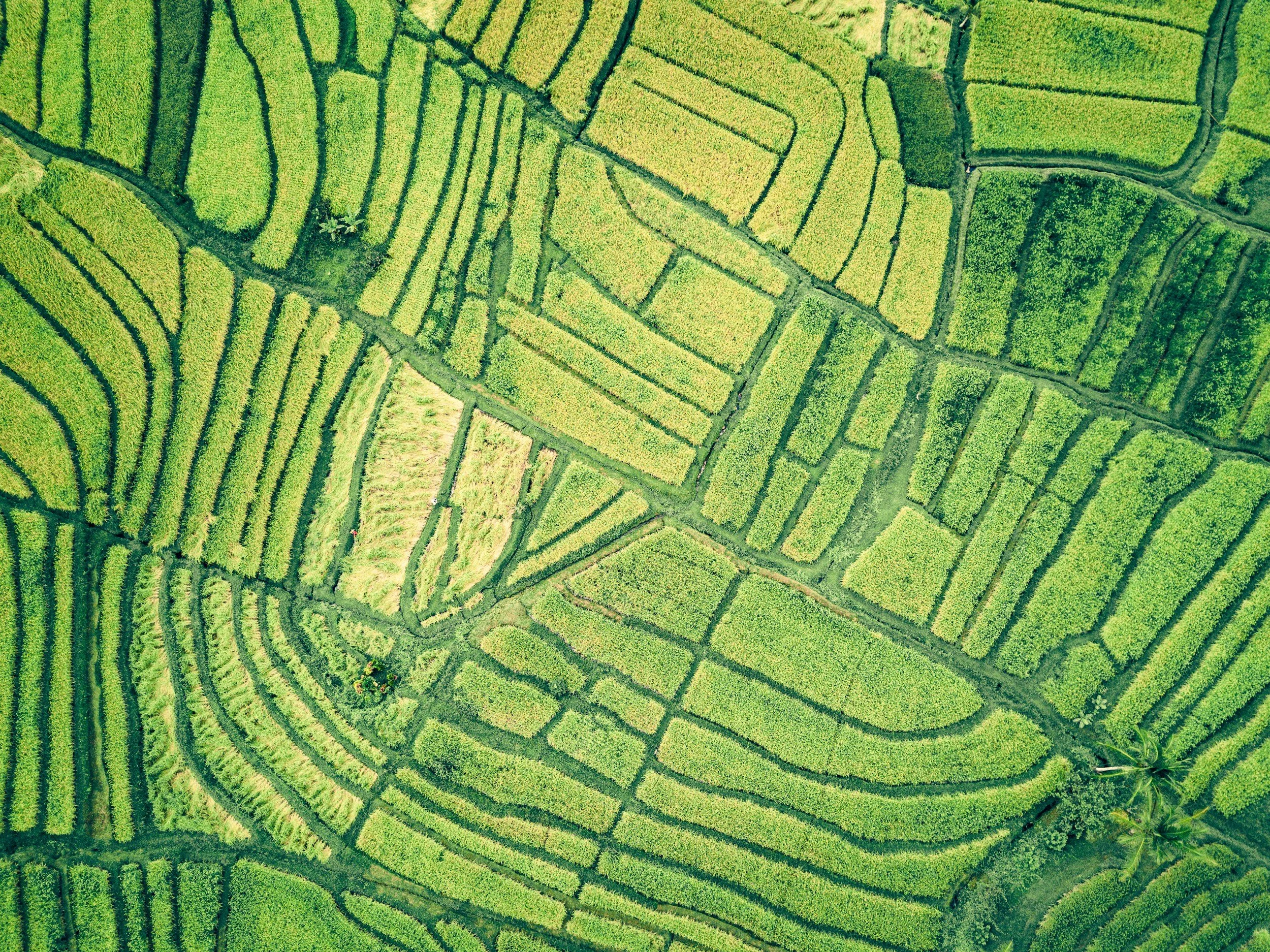
Between 1750 and 1850, around four thousand individual Inclosure Acts were passed. Each Act related to a specific parish or manor and authorised the reorganisation of shared land into individual holdings. Where villagers had once enjoyed communal rights such as grazing, gathering fuel or cultivating scattered strips of land, those customs were brought to an end or replaced with compensation. The countryside was reshaped into a pattern of clearly defined plots owned outright by individuals or estates.
This reshaping marked the end of many medieval practices and created the distinctive patchwork of hedged fields and structured boundaries that still characterise rural England.
What is an inclosure award
Every Inclosure Act produced a formal legal document known as an inclosure award. These records are among the most detailed and valuable sources available to historians because they capture a parish at the very moment its land was reorganised.
An inclosure award typically contains
• A schedule listing the new owners and the exact parcels of land allotted to them
• A description of the removal of common rights and any associated compensation
• Details of new or altered roads, footpaths and public spaces
• A map showing the newly created boundaries
• Rules relating to fencing, drainage, boundaries and land use
These documents often provide the earliest accurate mapping of an area and are a treasure for anyone researching the development of a home.
Why enclosure matters for home histories
For property researchers, inclosure records can reveal an extraordinary amount about the origins of the land on which a house stands.
The beginnings of a plot
An inclosure award can reveal whether your home stands on former common land, an allotment granted to a particular landowner or a plot newly created during the reorganisation of the parish. This helps explain unusual boundary shapes, unexpected rights of way or distinctive plot layouts.
Early landownership
Awards often show the first private owner of the land long before a house was built. This acts as the foundation for any ownership timeline.
Boundaries that persist today
Many hedges, walls and lanes still follow the lines set out in eighteenth and nineteenth century inclosure maps. Tracing these features can help determine the earliest shape of a property’s land.
Lost features
Some awards reference windmills, wells, pits, footpaths or farm structures that no longer exist but once shaped the development of the area.
Understanding the wider story
Knowing whether a home emerged from former communal fields, agricultural reform or organised estate development helps place the property within the broader history of the parish.
Where inclosure records are kept
Most inclosure awards and maps survive in county record offices, parish archives or local history collections. Some are also held at The National Archives. Many remain as handwritten parchment documents accompanied by beautifully coloured maps.
Bringing the story together
For a modern homeowner, an eighteenth or nineteenth century inclosure award may explain why a house sits exactly where it does, why some boundaries follow unusual lines or how a suburban street grew from a once open landscape. These records often hold the earliest chapters of a home’s story.
At House Chronicles Co, inclosure records are a key part of the research process whenever they survive for a parish. They allow us to trace the transformation of land from shared fields to the private plots on which today’s homes are built.
If your home lies in a parish enclosed between 1750 and 1850, there is every chance that an inclosure award shaped its earliest history. We would be delighted to uncover and interpret that story for you - to learn more view some of our previous work or explore our packages.
